Table of Contents
· · Understanding Cooling Time in Injection Molding
· · Strategies to Reduce Cooling Time in Injection Molding
· · Monitoring Cooling Time and Process Optimization
Churning out high-quality products in the shortest time possible is a constant goal for manufacturers. In the world of injection molding, one critical factor that contributes to production efficiency is cycle time reduction. And when it comes to injecting time savings into your process, focusing on reducing cooling time in injection molding can yield substantial benefits.
Understanding Cooling Time in Injection Molding
Before we dive into strategies for optimizing cooling time, it's crucial to grasp its significance in the injection molding process. Cooling time refers to the duration required for the molten plastic inside the mold to solidify. This stage is pivotal as it determines the efficiency of the entire production cycle.
Several factors exert their influence on cooling time, including:
- Mold design and construction
- Material properties
- Cooling system efficiency
- Part geometry and thickness
Typically, cooling time accounts for a significant portion of the overall injection molding cycle, ranging from 50% to 80%, depending on the complexity of the part being produced. Therefore, any reduction in cooling time directly translates to enhanced productivity and cost savings.
Strategies to Reduce Cooling Time in Injection Molding
Now that we understand the importance of cooling time, let's explore some effective strategies to minimize it:
Optimizing Cooling System
An efficient cooling system is the backbone of any injection molding operation. Consider implementing the following techniques to maximize cooling efficiency:
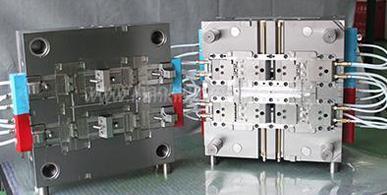
- Utilize efficient cooling channels and jets: Ensure that cooling channels are strategically placed throughout the mold to maximize heat transfer. Additionally, consider incorporating cooling jets to enhance cooling effectiveness in critical areas.
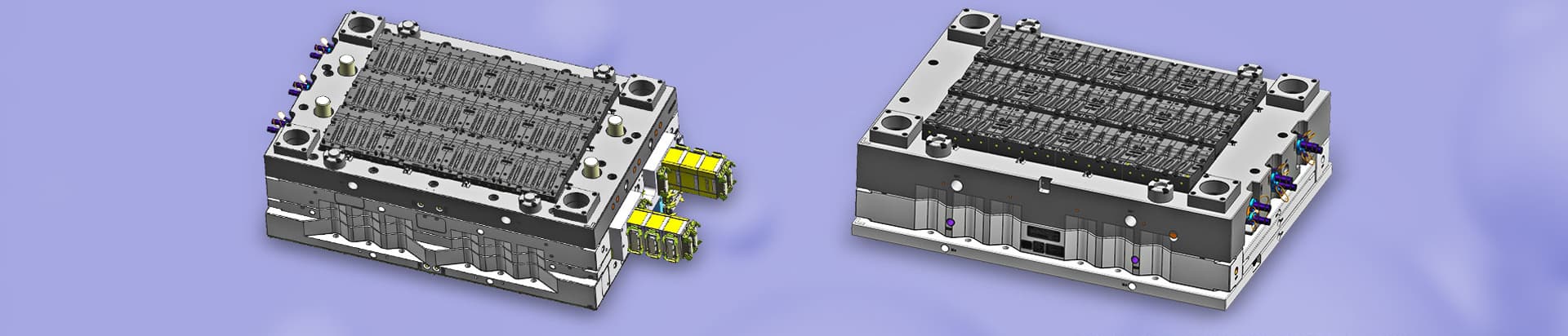
- Implement conformal cooling: Advanced mold designs can incorporate conformal cooling channels that closely follow the part geometry, allowing for more uniform cooling and reduced cycle times.
Proper Mold Design
Investing time and effort in mold design can yield significant cycle time reductions. Here are a couple of considerations in this regard:
- Ensuring adequate venting and cooling circuit design: Proper venting ensures efficient gas evacuation during the molding process, preventing defects and enhancing cooling rates. Additionally, optimizing the cooling circuit design can help maintain uniform cooling throughout the mold.
- Employ cooling inserts and beryllium copper cores: Using cooling inserts and beryllium copper cores can significantly enhance heat extraction, leading to quicker part solidification and, consequently, reduced cooling time.
Material and Process Considerations
Both material selection and process parameters play crucial roles in cooling time reduction. Explore the following factors:
- Exploring materials with faster cooling properties: Some materials have inherently quicker cooling characteristics, which can help speed up the overall injection molding process. Collaborate with material suppliers to identify options that align with your production goals.
- The role of melt temperature and pressure: Adjusting the melt temperature and pressure within optimal ranges can influence cooling time. Fine-tuning these parameters can help strike the right balance between cooling time and part quality assurance.
- Strategies to balance cooling time with part quality assurance: While minimizing cooling time is essential, it is equally vital to ensure that part quality standards are maintained. Consider conducting thorough quality testing to identify the optimal cooling time that delivers desired part quality while minimizing cycle time.
Monitoring Cooling Time and Process Optimization
Efficient monitoring techniques and process optimization are vital to achieving desired cooling time reductions:
- Advanced cooling time monitoring techniques: In today's digital age, real-time process monitoring systems can provide valuable insights into cooling time. These systems enable you to track cooling progress and make informed decisions to optimize cycle times.
- Leveraging process simulations: Utilize computer-aided engineering software to simulate various cooling time settings. This allows you to analyze the impact of different parameters on cooling time and make data-driven decisions for process optimization.
- The importance of data analysis and continuous improvement: Capture and analyze relevant data during the injection molding process. Identify patterns, assess performance metrics, and collaborate with your team to implement continuous improvements that target reduced cooling time.
Conclusion
Mastering cycle time reduction in injection molding requires a keen focus on cooling time optimization. By implementing strategies such as optimizing the cooling system, proper mold design, material and process considerations, and leveraging monitoring techniques, manufacturers can significantly slash cooling time and enhance overall production efficiency. Remember, achieving optimal cooling time requires a comprehensive approach that considers all aspects of the injection molding process. So, buckle up, implement the strategies discussed, and rev up your production line to reach new heights of efficiency and profitability.


 Call us on:
  Email Us:
  1st Floor, Block1, No.3 Beiting Road, Houting Community, ShaJing Street, Bao'An District, Shenzhen City, Guangdong Province, China
  English
 Deutsch
 italiano
 русский
 français
 română
 العربية
 Español
 Polska
 日本語
日本語 한국어
한국어